


The special emphasis of the founder of the Islamic Revolution Imam Khomeini (RA) and martyred Leader of the Islamic Revolution Ayatollah Seyyed Ali Khamenei and the Leader of the Islamic Revolution Ayatollah Seyyed Mujtaba Hosseini Khamenei on the issue of Islamic unity confirms that this issue should be addressed as a strategy and not a propaganda and sectional movement; because unity has had a place beyond a temporary measure in the intellectual system of the Islamic Republic of Iran from the beginning.
The importance of this strategy is evident from the fact that martyred Ayatollah Khamenei emphasized the pursuit of "Islamic unity diplomacy" as a strategy in a message to Ayatollah Araki, former Secretary General of the World Forum for the Proximity of Islamic Denominations. Islamic unity diplomacy means strengthening relations with Muslims of the world and Islamic countries with the aim of increasing commonalities and reducing differences, and today the importance of this issue is much greater than in the past.
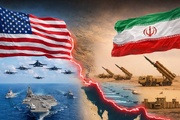
In fact, considering the war imposed by the United States and the Zionist regime against Iran and the prominence of the necessity of ensuring regional security by its countries, the ground for realizing Islamic unity has been prepared more than before.
Arab and Muslim countries have now come to believe that the US military bases and its security presence in the region cannot in any way ensure the security of Muslim countries, and that Islamic countries should seek to establish common regional security by strengthening their alliances.
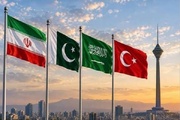
The Israel regime's claims about the formation of a "Greater Israel" and its greed for Syria, Jordan, and Lebanon show that more than ever, we need the formation of an Islamic alliance; that can both resist the expansionism and greed of the Zionist regime and pave the way for the realization of the ideal of Palestinian freedom. The defense pact of countries such as Saudi Arabia, Turkey, and Pakistan could also be a sign of a decrease in reliance on America and provide the necessary basis for the unification of Islamic countries and the establishment of a common security regime.
At this point, the issue of Islamic unity should be included among the axes of negotiations between Muslim countries, and efforts to increase common ground and reduce differences should be seriously discussed. Informal institutions and other cultural groups in the Islamic world should also expand their connections with scholars and thinkers in the Islamic world so that, through continuous dialogue throughout the year, the ground can be prepared for reducing differences and strengthening commonalities, and the foundations of Islamic unity can be further strengthened.
Undoubtedly, the unity of Islamic countries can pave the way for the formation of a new order in the world, based on multilateralism and confronting American hegemony. In the meantime, supporting the freedom of Palestine and defending the oppressed people of Gaza, as a connecting link and common point of Islamic nations and countries, will strengthen the ground for unity and convergence in the Islamic world.
Therefor the unity of Islamic countries can pave the way for the formation of a new order in the world, based on multilateralism and confronting American hegemony. In the meantime, supporting the freedom of Palestine and defending the oppressed people of Gaza, as a link and point of commonality between Islamic nations and countries, will strengthen the ground for Islamic unity and convergence in the Muslim world.
MNA






Your Comment